OpenCart Development Partner
- Professional support of the author
- Lifetime license
- The license key is provided automatically
- Free license key for test domain
- Extensions can be modified
- Periodic module updates
- Free technical support
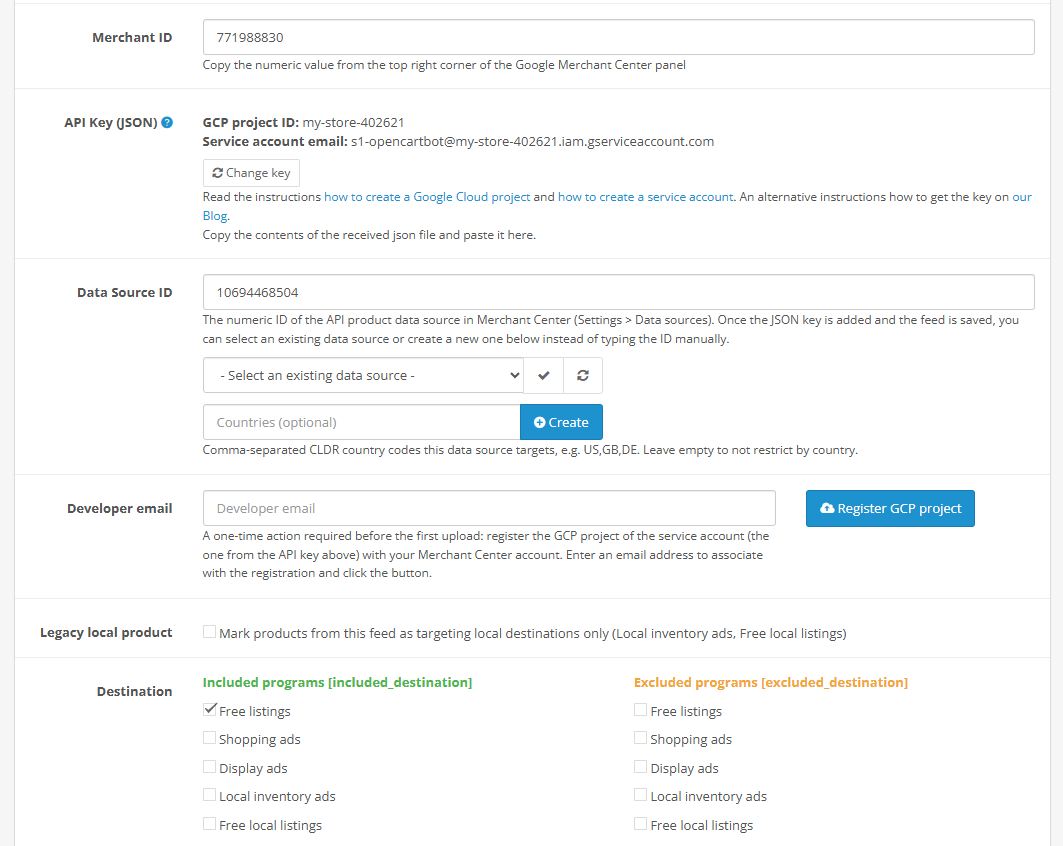
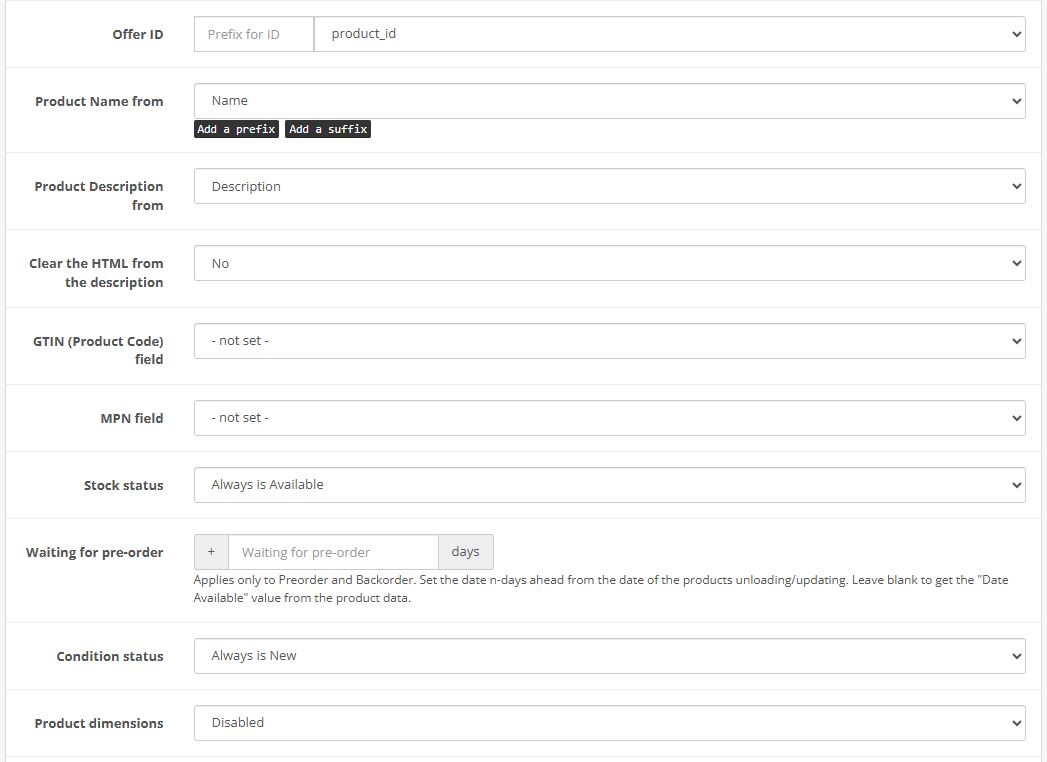
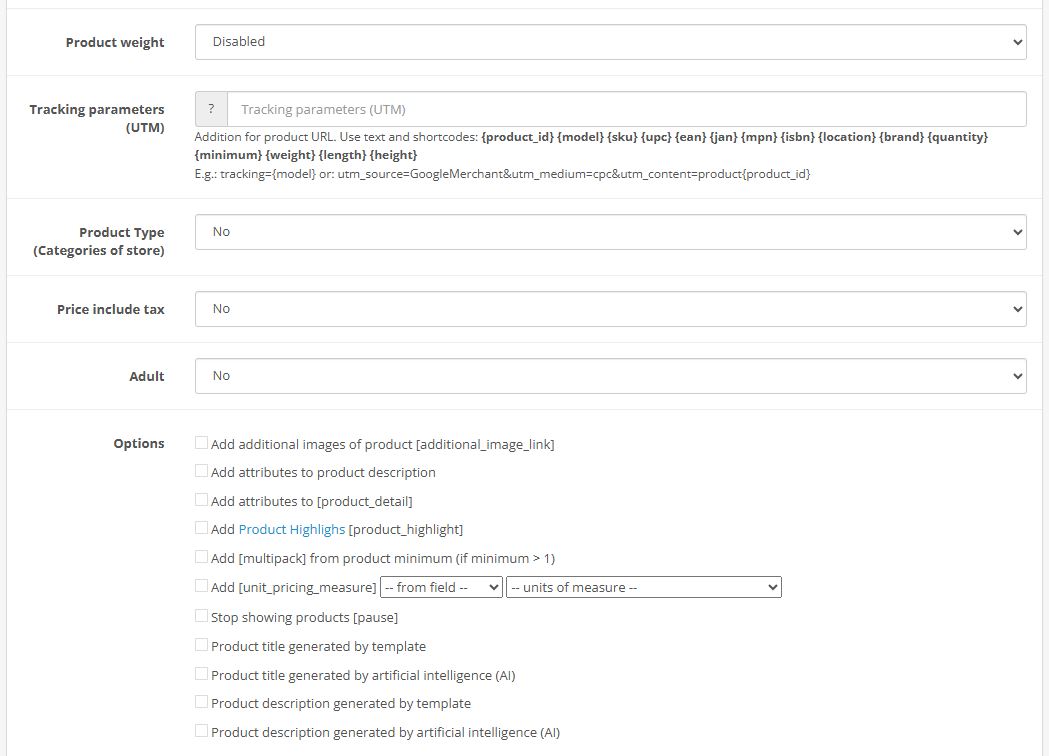
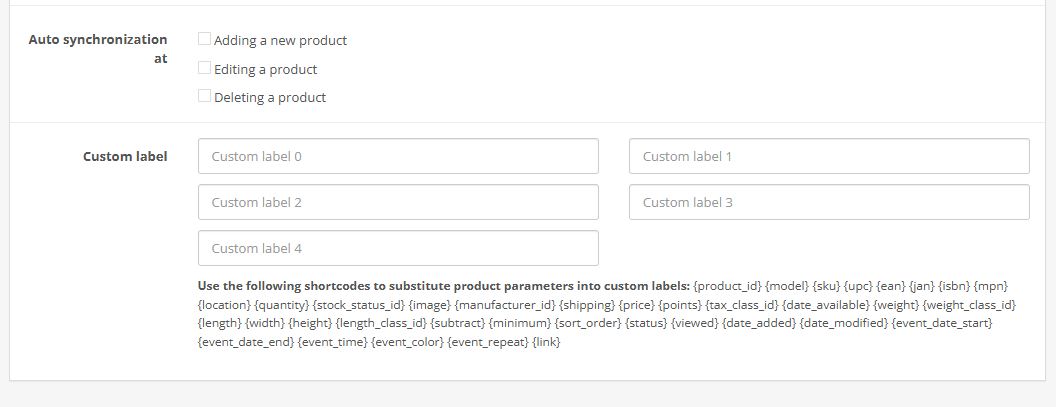
 OpenCart Development Partner
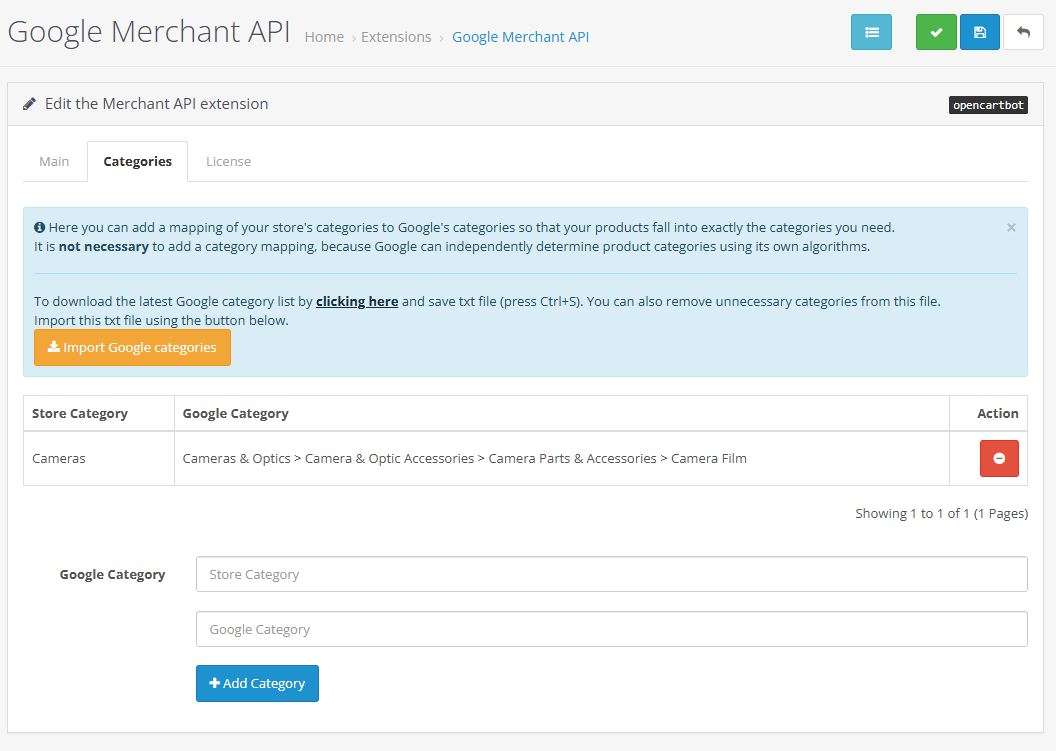
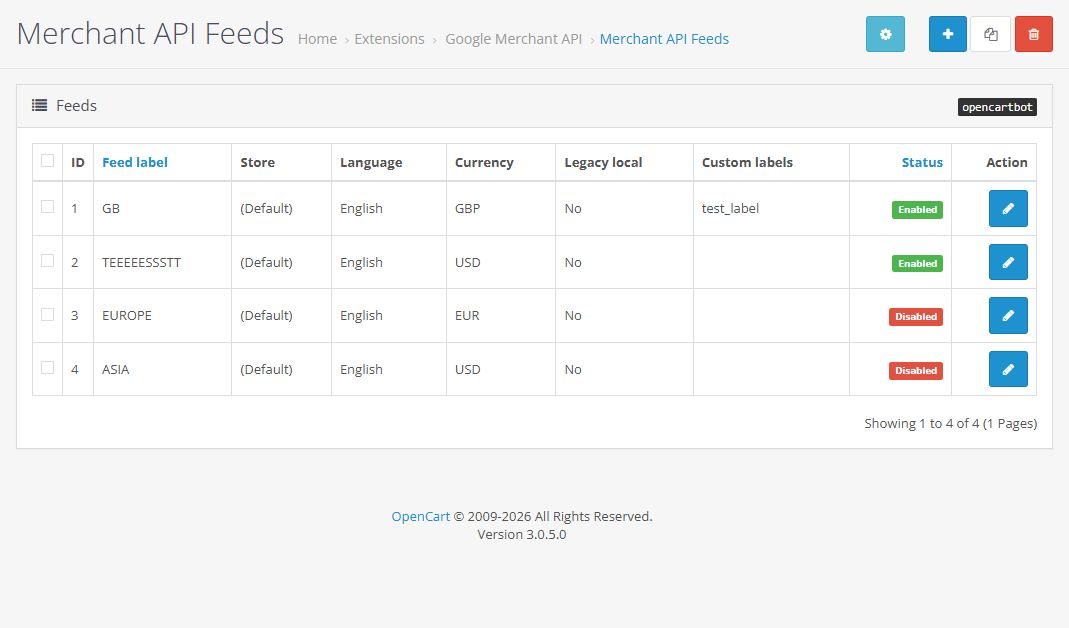
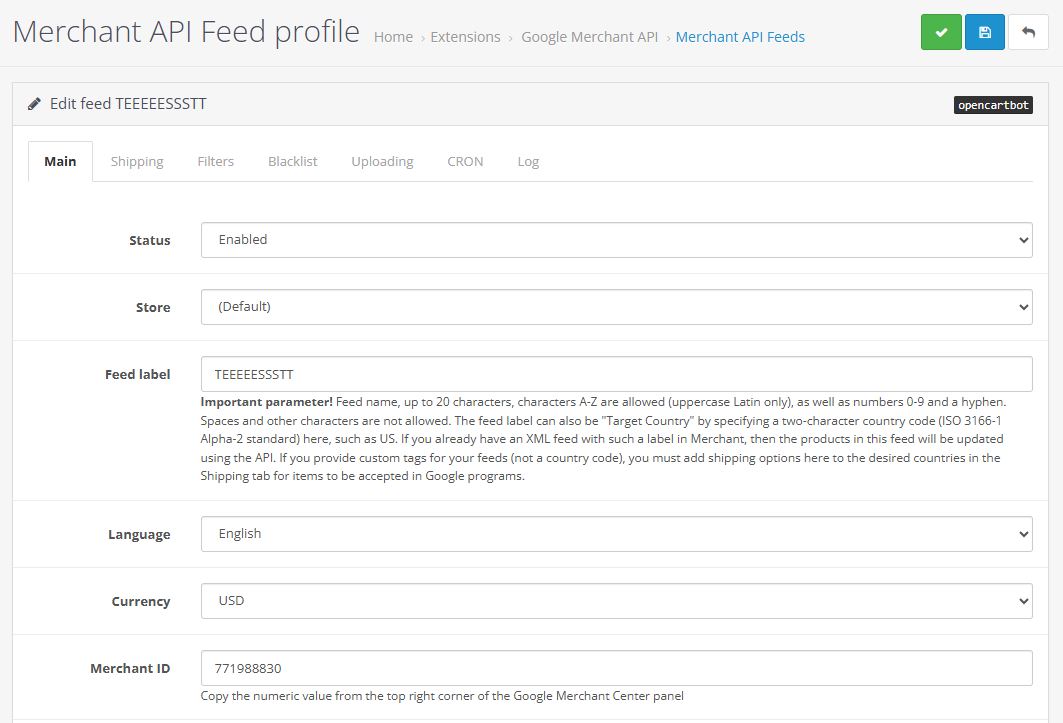
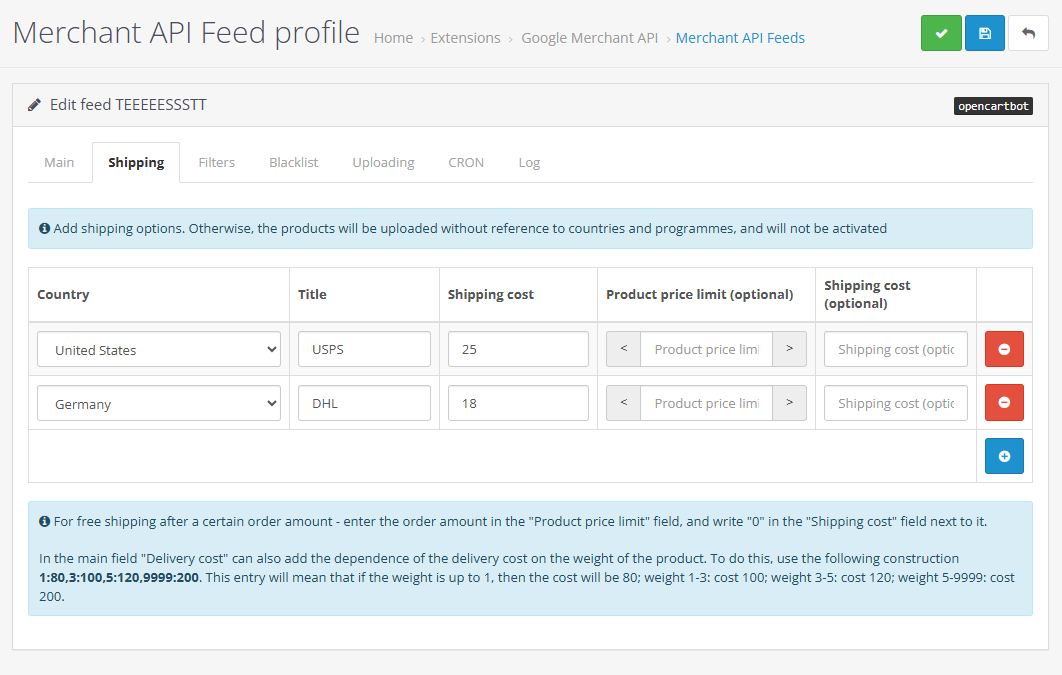
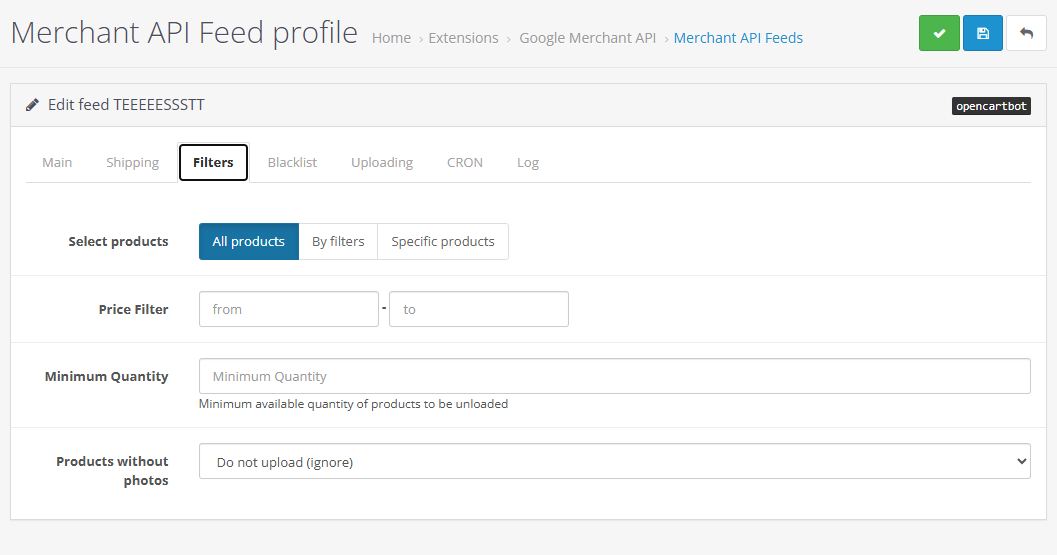
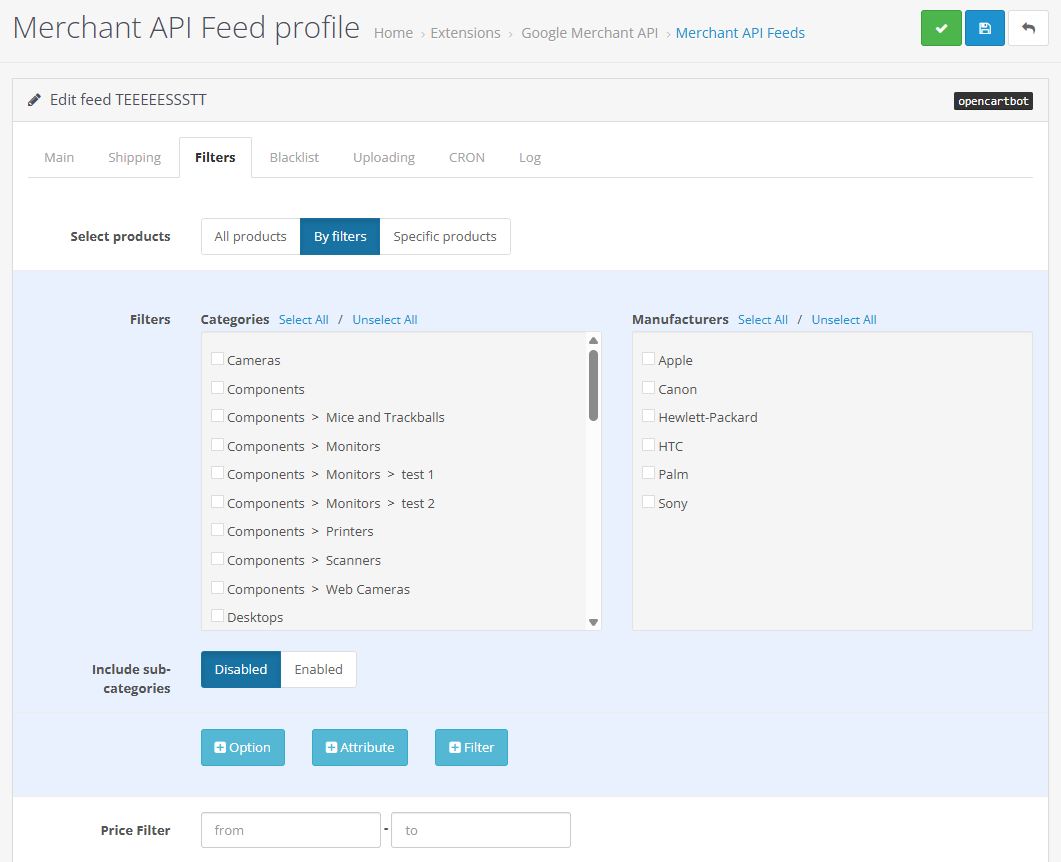
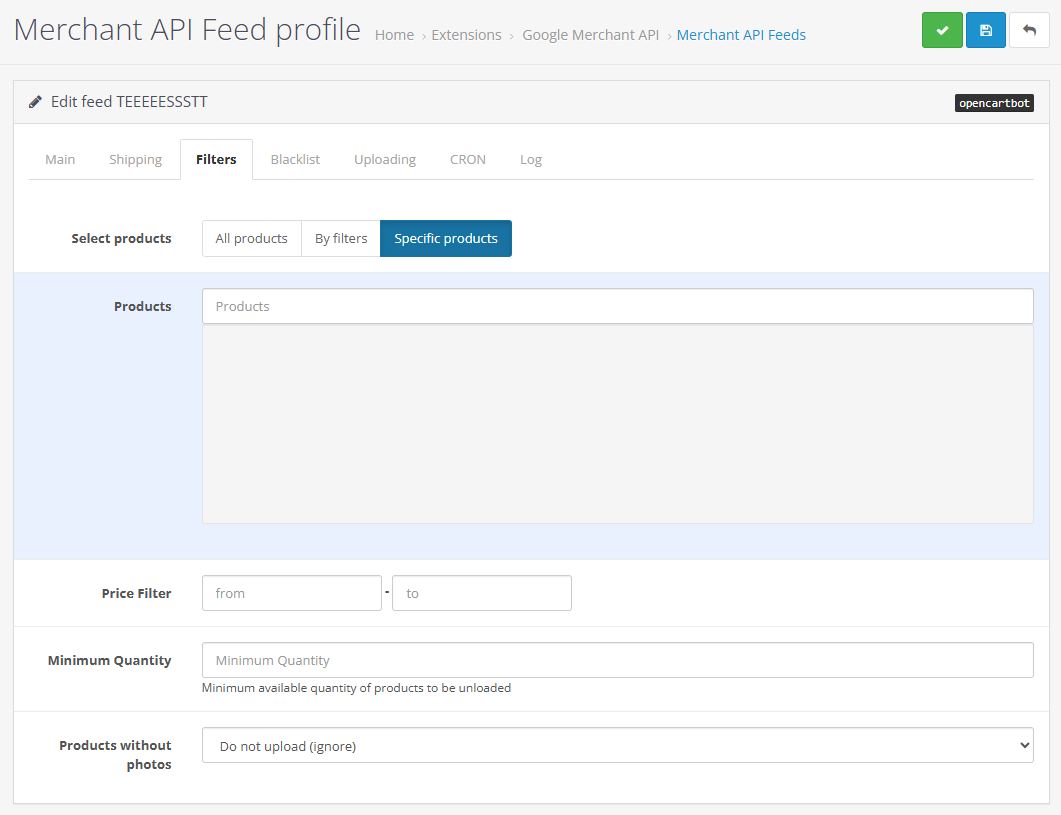
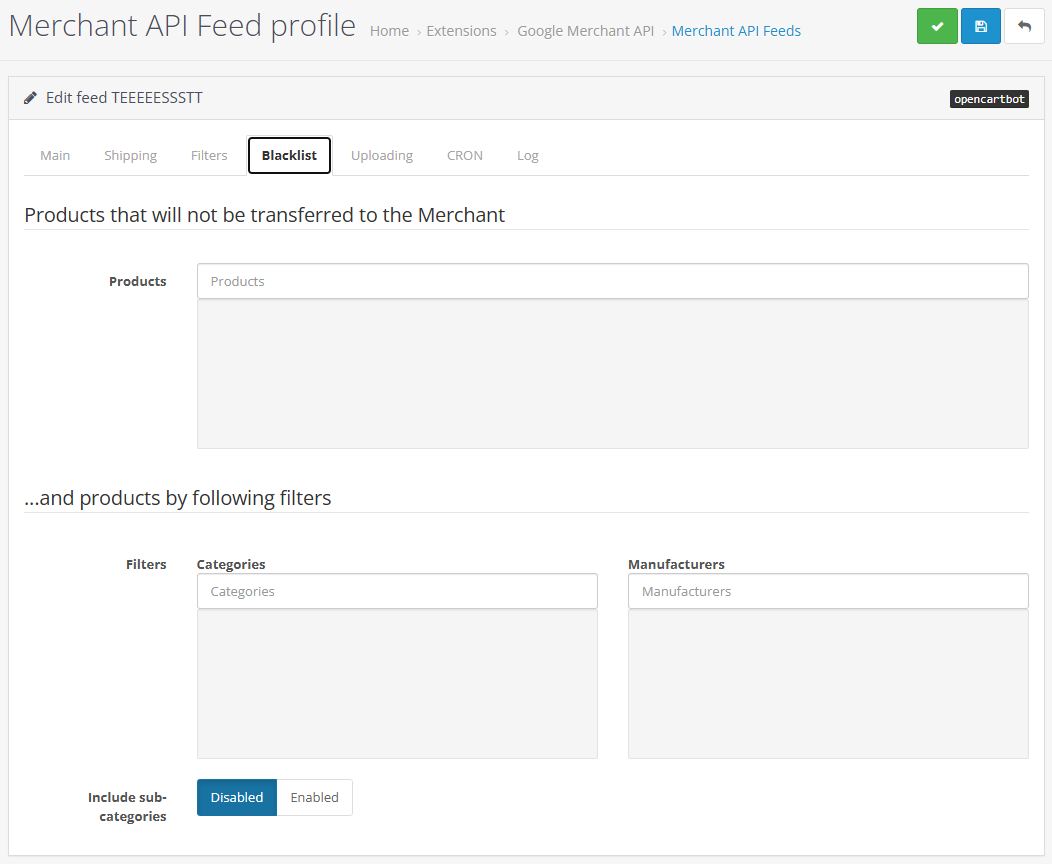
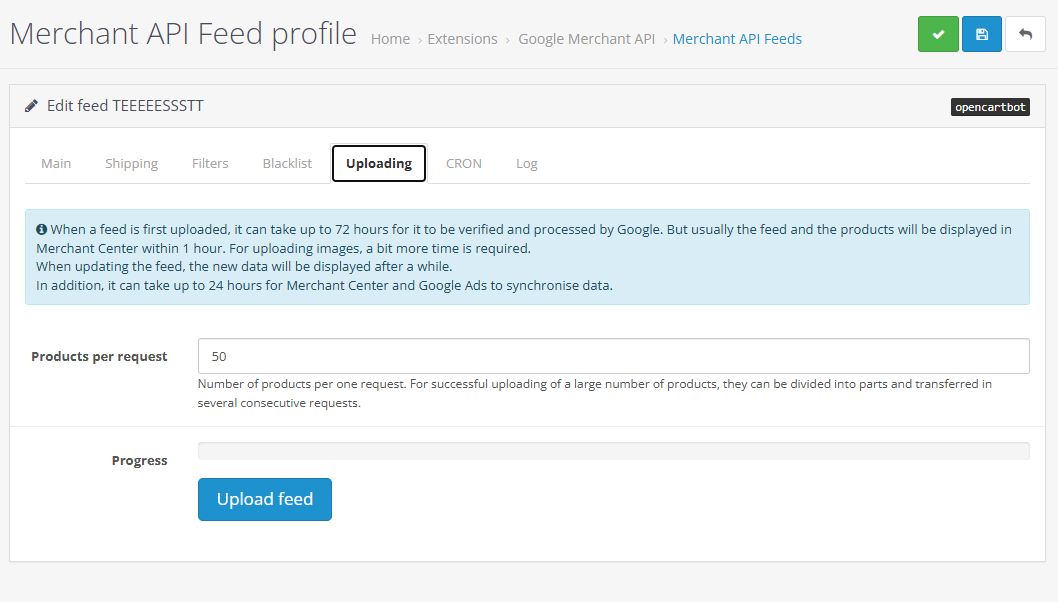
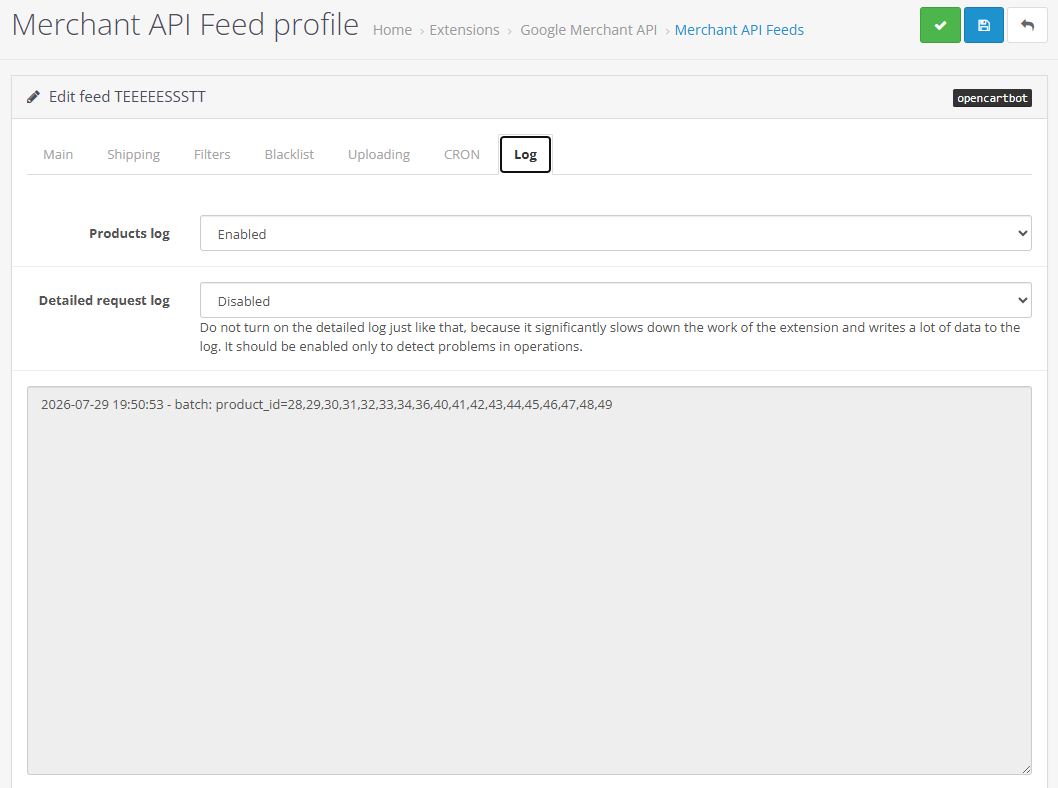
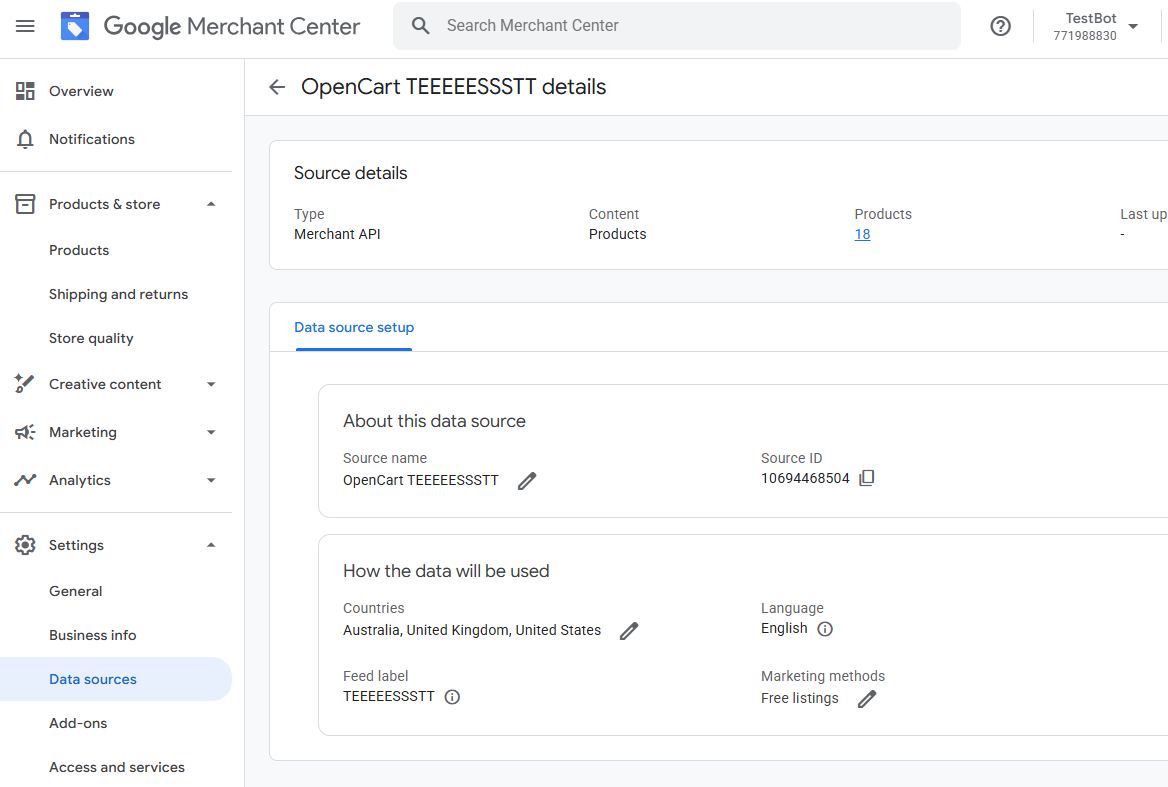
Module for integrating OpenCart with the new Merchant API v1. It provides continuous product uploads to Google Merchant Center and lets you build product feeds with different settings and filters — for separate advertising campaigns or for free listings of your products in Google Shopping.
DEMO Admin
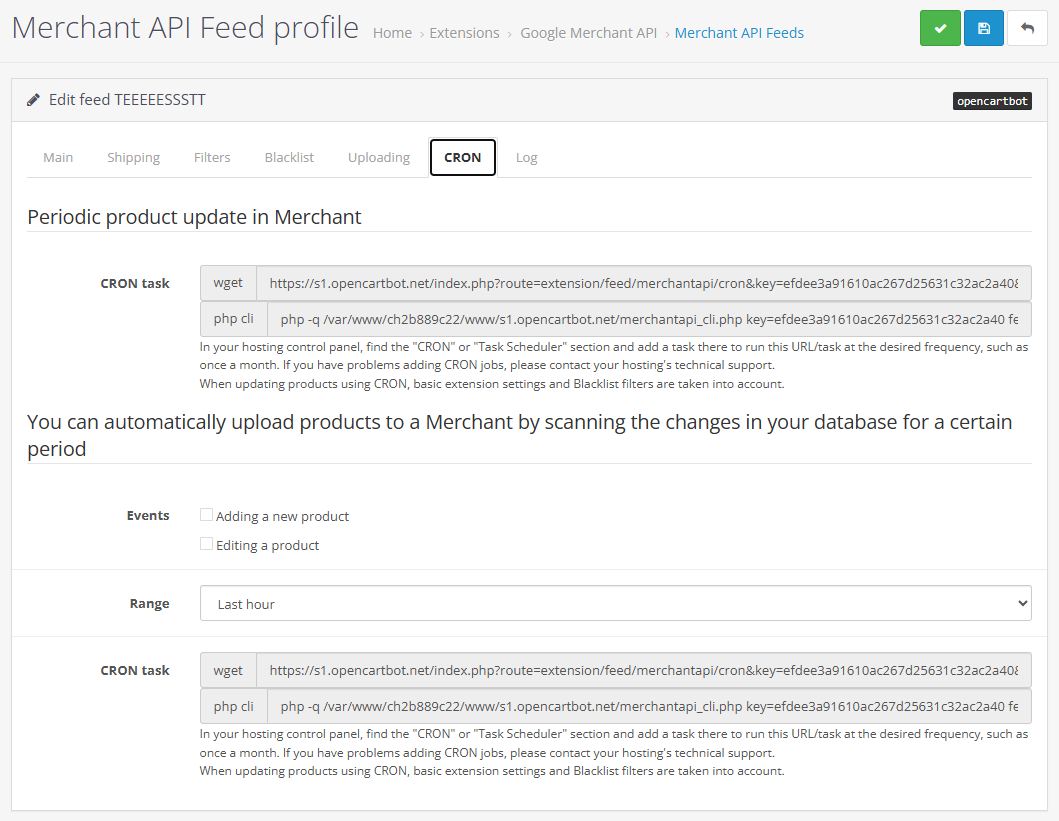
What the module does: creates product channels that are pushed from your OpenCart store to Google via the API. On top of that, the module can update products in Google Merchant in real time when they are edited manually in OpenCart, or update them on a schedule (cron) — for cases when products or their data are refreshed from external sources through import or parsing.
Products from local stores can also be pushed (for local inventory listings).
The module runs only on PHP 8.1 and above. For now it is compatible only with OpenCart 3. If your system does not meet these requirements, we recommend a similar module — Merchant XML.
The module does not work with product options — it does not support products from categories such as Apparel and Footwear, where size, color, material, and gender attributes have to be sent.
The module lets you send items with the same offerIds you used in your previous modules, so product history and accumulated statistics in Merchant Center are preserved.
For users of our old Content API module there is a special discount — 70% off, provided the new module is purchased for the same domain. To claim this discount, contact us via Telegram, Viber, or email.
Extension installation instructions:
There are no reviews for this product.

How to build a variable name or array key in Twig: attribute(context, 'var'~id), square brackets, the .() operator from Twig 3.15, interpolation, and OpenCart compatibility.

An analysis of OpenCart 4.2.x.x development plans: the switch to jQuery 4.0.0, changes to `oc_product_code`, a 15–20 MB reduction in the distribution size, and the module adaptation process.

Daniel Kerr has announced the static OpenCart 5 and the opencart.js project. We analyze the advantages and limitations of this concept, as well as the development of PHP branches 3.0, 4.1, and 4.2.